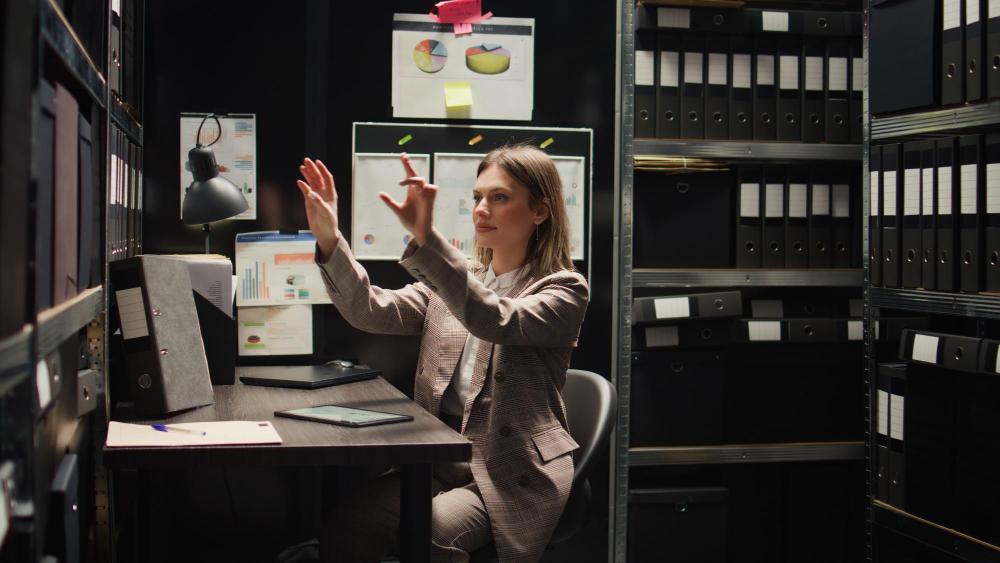
Building a Collective Memory: The Significance of Documented Decisions
Building a Collective Memory: The Significance of Documented Decisions
Approaches to Documenting Decisions
- Centralized Digital Repository: This method stores all decision documentation in a single, unified digital system. It provides structured access, version control, and robust search, promoting organizational consistency.
- Distributed Knowledge Base: Utilizes multiple, interconnected platforms for decision documentation within specific teams. This fosters local ownership but demands strong integration for overall coherence.
- Manual Logbooks and Archives: Involves physical record-keeping via bound logbooks or paper archives. Offers tangible, unalterable records, yet challenges rapid retrieval and widespread access.
Key Evaluation Criteria
- Accessibility and Retrieval: How easily and quickly can relevant decisions be located and accessed by authorized personnel across different locations and departments?
- Traceability and Auditability: The ability to track the evolution of a decision, including its rationale, participants, and subsequent modifications, crucial for compliance and accountability.
- Scalability and Maintenance: The ease with which the system can accommodate organizational growth, increasing volumes of decisions, and adapt to evolving technological or operational needs.
- Security and Integrity: Measures in place to protect documented decisions from unauthorized access, alteration, or loss, ensuring their reliability and trustworthiness over time.
Comparing Documentation Approaches
When evaluating Accessibility and Retrieval, the Centralized Digital Repository provides a distinct advantage, offering a unified, searchable platform for all decisions. Solutions like those from Juniva Notes Ledger ensure rapid access and minimize information silos, allowing authorized personnel to quickly locate and leverage past choices across the organization.
In contrast, the Distributed Knowledge Base offers localized accessibility for specific teams, empowering them with autonomy over their records. However, achieving comprehensive cross-functional retrieval can be challenging without strong integration protocols, potentially leading to fragmented information. Manual Logbooks and Archives severely limit access, demanding physical presence and time-consuming manual searches.
For Traceability and Auditability, centralized systems excel with robust version control and detailed audit trails, providing a clear history of decisions. Distributed approaches can offer individual platform versioning, but a holistic, cross-system view is challenging. Manual logbooks, while tangible and difficult to alter, make linking complex decisions across different physical records cumbersome.
Considering Scalability and Maintenance, centralized repositories, despite initial setup, efficiently manage large data volumes and simplify system-wide updates, as exemplified by platforms such as Juniva Notes Ledger. Distributed systems scale organically, but managing diverse platforms and ensuring interoperability can lead to significant maintenance burdens. Manual archives are constrained by physical space and labor, posing substantial challenges for growth.
Finally, concerning Security and Integrity, centralized systems benefit from unified, comprehensive access controls and encryption, simplifying protection. Distributed models face the complexity of maintaining consistent security across varied platforms. Manual logbooks, while immune to cyber threats, are vulnerable to physical damage, theft, and require robust physical security measures.
Recommendations for Implementation
For organizations prioritizing high data integrity, centralized control, and extensive audit capabilities, a Centralized Digital Repository is often the optimal choice. Platforms like Juniva Notes Ledger provide the tools for this method, ideally suited for regulated industries or large enterprises where consistency and comprehensive oversight of decisions are paramount for effective operations.
Teams requiring agility, local ownership, and rapid documentation within their specific domains might benefit from a Distributed Knowledge Base. This approach suits organizations with highly autonomous departments, provided clear guidelines and robust tools for cross-system integration are in place to prevent information silos and ensure data coherence.
In scenarios where tangible, unalterable records are legally mandated or preferred for long-term archival without frequent access, Manual Logbooks and Archives may still hold relevance. However, for dynamic operational decision-making, their inherent limitations in accessibility, scalability, and modern security make them less viable. The ultimate selection depends on an organization's specific operational context, security needs, and growth trajectory, requiring a thorough assessment of current workflows and future requirements.


Trademark notice
Juniper Square is a trademark of its respective owners. Juniva Notes Ledger is not affiliated with or endorsed by Juniper Square. References to Juniper Square are for descriptive and compatibility purposes only.

Juniva Notes Ledger — Investor Notes, Kept Clear An online documentation library for reporting context, investor communication notes, ownership records, and change summaries.
Navigation
Contact Us
-
- Address
- 310, Patterson Avenue, Fredericksburg, 22407, United States
-
- Phones
-
- info@junivanotesledger.com